


Just as we worry about our children learning at school and being good people, self-confidence is something that we must help them develop every day. To help you, we share four ways to increase confidence in children. Put them into practice!
When we talk about self-confidence, it is not just about security, but about the ability to face new challenges without fear, trusting in one’s own abilities, and being confident of our worth. This is not something you are born with, but something you learn, above all, in the family.
Many preschool and elementary school teachers look at children’s personalities; some seem more confident and positive about themselves, while others feel less worthy or feel that they are not as good as their peers. So, how can we change that?
Build trust
As we mentioned earlier, we are not born confident of ourselves. It is in the family environment that we develop our personality and our abilities. Every parent wants to instill values and confidence in their children so that they can live full and satisfying lives, and although all children are different, there are some factors that you can take advantage of to build your children’s confidence.
1. Play with your children
We know that our jobs or daily activities can overwhelm us, but nothing is more important than making our children feel valued and cared for. Playing with them is one of the best things you can do for them. Not only does it allow you to learn more about their personality, but you will help them develop their confidence, competitiveness, and creativity. It is important that you are really present in the moments of play, children are very perceptive and notice when you are thinking about other things. The strongest parent-child bonds are often built during playtime. Give them your full attention and together create fun games that challenge their mind and skills. You can cook together or prepare new recipes with your favorite food or drink, like Choco Choco.
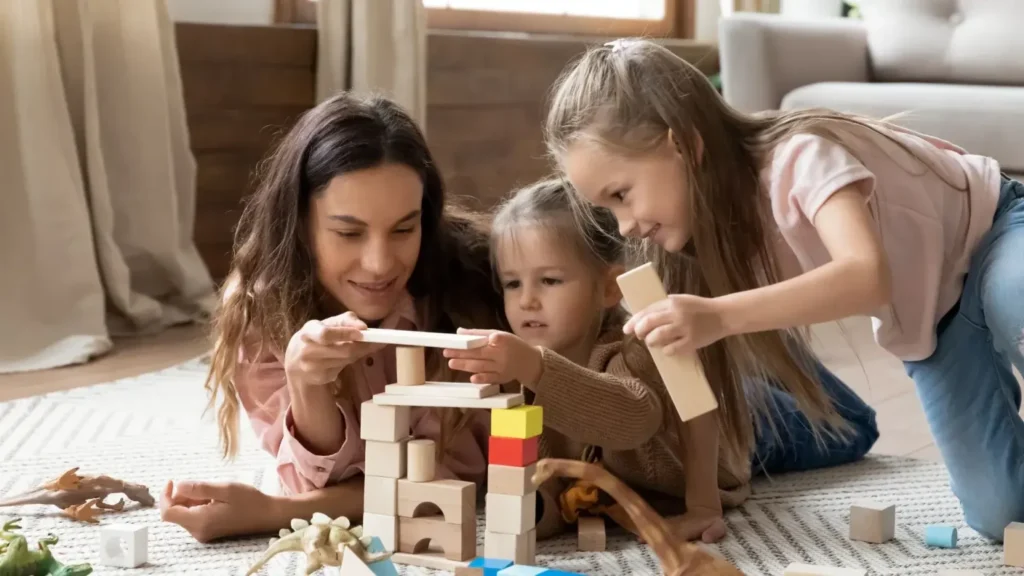
2. Assign them tasks
Children like to feel needed and recognized at home. Help them feel that their contributions are valued and very important. You can start by asking them for small tasks like helping wash the family car, gardening, vacuuming, sorting or folding clothes, etc. Consider their interests and assign them tasks that help them feel useful. You must motivate them while they are carrying it out, and once it is finished, congratulate them or give them a prize such as the Ibarra Chocolate Mini Tablet, their favorite dessert or drink, and take them to the park, or see a movie. This will help them increase their self-confidence and feel that their contribution is worth a lot.
3. Give them quality time
Just as playtime strengthens the bond between parents and children, the time you spend with them reinforces their self-esteem and the feeling that they are important and valuable. Quality time can be seen in many ways:
- When your child is talking to you or telling you something, make eye contact with them so that they clearly know that you are listening and that what they say matters to you.
- Help them feel comfortable expressing their emotions, not repressing them. By doing so, you help them validate their feelings and know that what they feel and think is important.
- Remember to share your own emotions with your children. Involve them in household decisions such as what to eat that week, where to go on vacation, or where to put a new decoration.

4. Motivate them and recognize their effort and dedication
Who doesn’t like to be recognized for their work? This is a great encouragement that not only brings joy to adults but greatly develops self-worth in children. Now, praise is different from recognition. Praise acknowledges the task more than the person. It is not the same to tell your kids: “This drawing is beautiful!” than saying: “You worked very hard on making this drawing. Congratulations! It turned out great”.
Increasing your children’s confidence will help them feel good about themselves and the world around them. They will feel more confident in their abilities and have more tools to solve problems and face life’s challenges. Tell us how you help your little ones to increase their confidence.